
Valid Rx Required
Bulk Savings
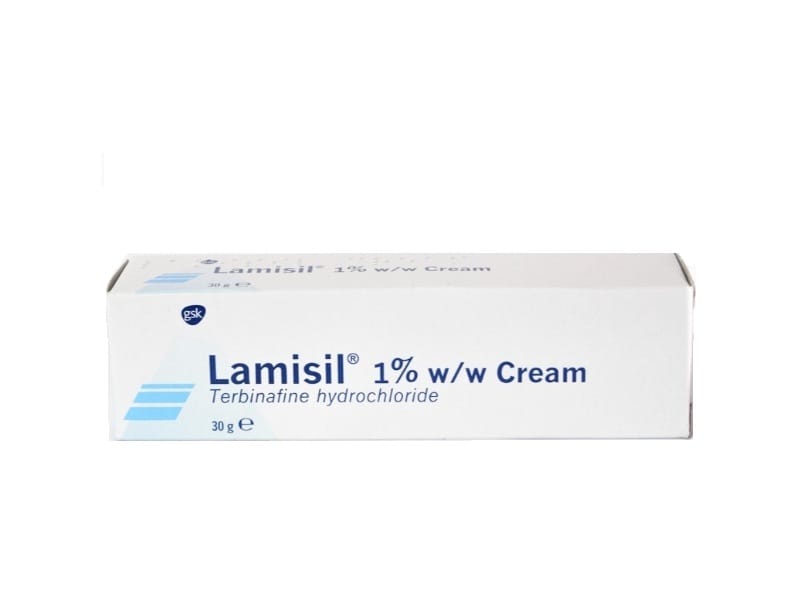
Lamisil
Lamisil Uses, Forms, and Safety Overview
Offer extended: Use code SAVE10 for 10% OFF all RX meds now through March 10, 2026. Ozempic from Canada and Mounjaro Vial not included. Coupon code cannot be combined with other offers. For products with “Bulk Savings”, the discount will be applied to the regular price for 1 unit. Maximum allowable quantity equal to a 90 day supply per single order.
Express Shipping
Secure Checkout
Contact Us
Lamisil is an antifungal medicine whose active ingredient is terbinafine. People reading about Lamisil online are often comparing topical treatment for skin fungal infections with prescription tablets used for harder-to-treat nail disease. This page summarizes common uses, dosage basics, safety considerations, and practical handling points in plain language.
What Lamisil Is and How It Works
Lamisil contains terbinafine, an antifungal that works by blocking an enzyme (squalene epoxidase) fungi need to build their cell membrane. As fungal cells lose membrane integrity, the infection can stop spreading and the immune system can clear the area. Prescription details may be verified with your prescriber when needed.
Some patients explore US delivery from Canada when local access varies by region. In practice, the most important first step is matching the form of terbinafine to the site of infection, because skin fungus, scalp fungus, and nail fungus behave differently. For example, athlete’s foot often involves the skin between the toes, while nail infection sits under a hard nail plate that topical medicines may not penetrate well.
The term “tinea” describes common superficial fungal infections. The treatment goal is to reduce fungal load on the skin surface (topicals) or reach the nail bed through the bloodstream (tablets). Medications are dispensed by licensed partner pharmacies where permitted. If symptoms are recurring, it can also help to review risk factors like shared footwear, public locker rooms, or chronic moisture exposure.
Who It’s For
Lamisil products are used for certain fungal infections of the skin, and oral terbinafine is also used for onychomycosis (fungal nail infection). Typical skin indications include tinea pedis (athlete’s foot), tinea cruris (jock itch), and tinea corporis (ringworm on the body). For condition context and related options, see the browseable hubs for Athletes Foot and Jock Itch.
When people search for Lamisil online, they may be unsure whether a topical product is enough. Nail involvement, extensive rash, scalp involvement, or frequent recurrence can be reasons a clinician considers a different approach. Oral terbinafine is not appropriate for everyone; it is generally avoided in people with chronic or active liver disease, and it may not be suitable if there is a history of serious allergic reaction to terbinafine. If a nail looks thickened or lifting, the Fungal Nail Infection hub can help frame what is commonly evaluated.
Topical terbinafine is for external skin use only and should not be used in the eyes, mouth, or vagina. For infants, pregnancy, or breastfeeding, product labeling and clinician guidance matter because recommendations vary by country and formulation.
Dosage and Usage
Use directions depend on the form, the body area, and the specific labeled indication. For Lamisil online comparisons, remember that creams and gels are typically used for limited skin areas, while tablets are prescribed when a deeper reservoir of fungus is suspected (most often nails). Follow the package instructions for topical products and the prescriber’s directions for any oral course.
For topical terbinafine, general label patterns often include once- or twice-daily use for a short course (commonly 1 to 2 weeks), with longer durations sometimes listed for thicker skin areas or certain body sites. Clean and dry the affected area first, then apply a thin layer to the rash and a small margin of surrounding skin. Avoid covering with airtight dressings unless the label specifically allows it.
For terbinafine tablets, a common adult regimen in labeling is 250 mg by mouth once daily, with duration varying by nail location (often longer for toenails than fingernails). Tablets should be taken exactly as prescribed and not shared.
Quick tip: Consistent daily use is often more important than using extra product.
Strengths and Forms
Terbinafine is sold under the Lamisil brand in multiple presentations. Availability can vary by country, and some topical forms may be over-the-counter in certain regions while tablets are usually prescription-only. When reviewing Lamisil online information, confirm the exact product form and strength printed on the carton or blister pack.
Commonly referenced strengths include terbinafine 1% topical products and terbinafine 250 mg oral tablets. Topical products are intended for superficial skin infections and may be marketed as cream, gel, spray, or solution depending on the manufacturer. Oral tablets are intended for systemic treatment, most commonly for confirmed onychomycosis.
| Form | Typical strength | General use-case | Key practical note |
|---|---|---|---|
| Topical (cream/gel/spray) | 1% terbinafine | Skin tinea infections | External skin use only |
| Oral tablet | 250 mg terbinafine | Fungal nail infection | Requires medical monitoring in some patients |
Because different forms carry different warnings and interaction risks, avoid assuming that safety information for one product applies to all others.
Storage and Travel Basics
Most topical terbinafine products are stored at controlled room temperature, kept tightly closed, and protected from excessive heat. Do not use products past the expiry date, and do not dilute or mix them with other creams unless a clinician specifically recommends it. If the product separates, changes color, or develops an unusual odor, replace it rather than trying to “make it work.”
For travel, keep topical products in their original container so the directions and warnings stay with the medicine. If you are carrying an oral course, bring enough for the entire trip and keep tablets in the labeled packaging. People who track treatment plans from Lamisil online sources sometimes forget that humidity and friction can worsen symptoms, so plan for breathable socks, dry shoes, and regular towel changes.
If the infection involves open cracks, bleeding, or significant swelling, consider additional evaluation rather than self-managing. Patients with diabetes or circulation problems may find the foot-care resources Foot Screening For Diabetes and Diabetic Foot Ulcer helpful for recognizing when foot findings need prompt clinical review.
Side Effects and Safety
Side effects depend strongly on whether terbinafine is used on the skin or taken by mouth. With topical products, common effects are local and mild, such as temporary burning, itching, dryness, peeling, or redness at the site. Allergic contact dermatitis (a rash caused by skin sensitization) is less common but can occur, especially if symptoms worsen after starting treatment.
Oral terbinafine can cause systemic side effects such as stomach upset, headache, rash, and changes in taste or smell. Rare but serious reactions include liver injury, severe skin reactions (such as Stevens-Johnson syndrome/toxic epidermal necrolysis), and blood-count abnormalities. Seek urgent care for yellowing of the skin/eyes, dark urine, severe fatigue, blistering rash, facial swelling, or trouble breathing.
Why it matters: Some serious reactions start with nonspecific symptoms, so early recognition is important.
If a rash is rapidly spreading, painful, or associated with fever, do not continue a new medication without medical guidance. If the skin is hot, tender, and expanding, a bacterial infection may be present; the background guide Cellulitis And Diabetes offers context on why inflamed skin sometimes needs different treatment.
Drug Interactions and Cautions
Drug interaction risk is much higher with oral terbinafine than with topical products, because tablets reach the bloodstream. Oral terbinafine can affect liver enzyme pathways and is known to inhibit CYP2D6, which may change levels of some antidepressants, antipsychotics, beta-blockers, and certain antiarrhythmics. Other medicines may raise or lower terbinafine exposure (for example, cimetidine can increase levels, and rifampin can decrease them).
Before starting tablets, clinicians typically review the medication list for interactions and assess liver history. Alcohol use disorder, hepatitis, or unexplained chronic fatigue can change the risk-benefit discussion. If a patient is taking multiple long-term medicines, it can help to keep an updated list and confirm it at each visit.
For topical terbinafine, interactions are not usually clinically significant, but avoid layering multiple medicated creams on the same area unless advised. Also consider non-drug irritants: fragranced products, harsh soaps, and occlusive footwear can worsen inflammation and make it harder to interpret whether a treatment is helping.
Compare With Alternatives
For common skin tinea, several topical antifungals may be considered depending on the body site, prior response, and tolerance. Alternatives include azole antifungals such as ketoconazole and clotrimazole, which target fungal membrane synthesis through a different mechanism than terbinafine. Some people comparing options after reading about Lamisil online also consider combination products, but added steroids can mask infection and are not appropriate for routine use without guidance.
For nail infection, clinicians may discuss systemic options beyond terbinafine, such as itraconazole or fluconazole, depending on the organism, comorbidities, and interaction profile. Nails also grow slowly, so cosmetic improvement can lag behind clearance of active fungus. Mechanical steps like trimming, keeping nails dry, and disinfecting shoes may reduce reinfection risk alongside any medicine.
To explore other anti-infective products by category, you can browse the Infectious Disease hub. For general education on skin and infection topics, the Infectious Disease article list provides broader background.
Pricing and Access
Access depends on the specific Lamisil product form. In many jurisdictions, terbinafine 1% topical products may be available without a prescription, while terbinafine tablets are usually prescription medications because they can require monitoring and have more interactions. Coverage policies vary by plan and region, and generic terbinafine may be handled differently than brand-name products.
For patients reviewing Lamisil online information, it helps to separate three issues: (1) whether the form is OTC or prescription, (2) whether the diagnosis is likely fungal versus another skin condition, and (3) whether any required monitoring is feasible. Cash-pay options may be considered in some situations, and people without insurance may want to confirm which formulation and package size is being discussed before comparing out-of-pocket totals.
Cross-border fulfilment may be considered based on eligibility and jurisdiction. CanadianInsulin operates as a prescription referral service; when required, prescription information is confirmed with the prescriber before processing.
If a clinician suspects a non-fungal problem (eczema, psoriasis, contact dermatitis), antifungals may not help and can delay appropriate care. If foot symptoms are persistent or complicated by neuropathy, a podiatry evaluation may be appropriate; see What Is Podiatrist for an overview of that role.
Authoritative Sources
For official prescribing details for oral terbinafine, consult the drug label on DailyMed terbinafine tablet listings.
For general public-health context on common fungal skin infections, see the overview from CDC fungal diseases resources.
For patient-friendly medicine information, review the terbinafine monograph on MedlinePlus terbinafine information.
When a licensed partner pharmacy dispenses medication, it may use prompt, express, cold-chain shipping when required by the product.
This content is for informational purposes only and is not a substitute for professional medical advice.
{acf_product_technical_information}
[product_calculator]
Express Shipping - from $29.99
Shipping with this method takes 3-5 days
Prices:
- Dry-Packed Products $29.99
- Cold-Packed Products $39.99
Standard Shipping - $19.99
Shipping with this method takes 5-10 days
Prices:
- Dry-Packed Products $19.99
- Not available for Cold-Packed products
What is the difference between Lamisil cream and Lamisil tablets?
Lamisil topical products (often terbinafine 1%) are designed for fungal infections on the surface of the skin, such as athlete’s foot or jock itch. Lamisil tablets (terbinafine 250 mg) treat fungal infection from inside the body and are most commonly used for confirmed fungal nail infection. The safety profile differs: topical products mainly cause local irritation, while tablets have more drug interaction potential and rare but serious risks such as liver injury. A clinician can help match the form to the suspected infection site.
Can Lamisil be used for athlete’s foot?
Topical terbinafine is commonly used for athlete’s foot (tinea pedis), especially when the rash is limited to the skin. Labels often recommend a short, consistent course, and symptoms such as itching or scaling may start improving before the fungus is fully cleared. Keeping the area dry and changing socks regularly can reduce reinfection risk. If there is spreading redness, drainage, fever, or significant pain, consider medical evaluation because bacterial infection or another skin condition may be present.
Is Lamisil effective for toenail fungus?
Toenail fungus (onychomycosis) often involves fungus under the nail plate, which can be hard for topical medicines to reach. Because of that, clinicians frequently consider oral terbinafine tablets for proven nail infection, depending on medical history and drug interactions. Even after successful treatment, nail appearance can take months to improve because nails grow slowly. Not every thick or discolored nail is fungal, so testing (such as microscopy or culture) may be recommended before starting a long oral course.
Do I need liver tests with terbinafine tablets?
Many clinicians review liver history and may order baseline liver function tests before starting oral terbinafine, because rare liver injury has been reported. Monitoring practices vary by patient risk factors, duration of therapy, and local guidance. Contact a clinician promptly if symptoms suggest liver problems, such as yellowing of the skin or eyes, dark urine, persistent nausea, unusual fatigue, or right-upper abdominal pain. Topical terbinafine generally does not require liver monitoring because systemic absorption is low.
What side effects mean I should stop terbinafine and seek care?
Seek urgent care for signs of a severe allergic reaction (facial swelling, wheezing, trouble breathing) or a severe skin reaction (blistering rash, peeling skin, sores in the mouth, or rash with fever). For oral terbinafine, also seek prompt evaluation for symptoms that could suggest liver injury, including jaundice, dark urine, severe fatigue, persistent vomiting, or abdominal pain. For topical products, stop and ask for advice if the treated area becomes more inflamed, painful, or weeping, which can indicate irritation, allergy, or another diagnosis.
Can terbinafine tablets interact with antidepressants or heart medicines?
Yes. Oral terbinafine can inhibit CYP2D6, an enzyme involved in metabolizing several medications. This may affect levels of some antidepressants, antipsychotics, beta-blockers, and certain antiarrhythmics. Other drugs may also increase or decrease terbinafine levels. Because interaction significance depends on the specific medicine and dose, a prescriber or pharmacist should review a complete medication list, including over-the-counter products and supplements. Topical terbinafine has a much lower interaction risk.
What should I ask my clinician before starting Lamisil tablets or topical terbinafine?
Key questions include: what diagnosis is most likely (fungal vs eczema or dermatitis), whether testing is needed (especially for nail disease), which form is appropriate (topical vs oral), and what duration is expected per labeling. For tablets, ask about liver history, whether baseline labs are recommended, and which medications could interact. For topical products, ask where to use it, how to avoid eyes and mucous membranes, and what signs suggest irritation or a different condition. Bring a current medication list to the visit.
Rewards Program
Earn points on birthdays, product orders, reviews, friend referrals, and more! Enjoy your medication at unparalleled discounts while reaping rewards for every step you take with us.
You can read more about rewards here.
POINT VALUE
How to earn points
- 1Create an account and start earning.
- 2Earn points every time you shop or perform certain actions.
- 3Redeem points for exclusive discounts.
You Might Also Like
Select options
This product has multiple variants. The options may be chosen on the product page
Select options
This product has multiple variants. The options may be chosen on the product page
Select options
This product has multiple variants. The options may be chosen on the product page
Select options
This product has multiple variants. The options may be chosen on the product page
Related Articles
Diabetes, Type 1
Fiasp insulin Cartridge for Active Lifestyles: Practical Guide
Staying active demands insulin that acts fast and predictably. The Fiasp insulin Cartridge can support flexible routines by delivering rapid insulin aspart (fast-acting mealtime insulin). This guide explains formats, device…
Dermatology, Diabetes, Infectious
Diabetes and Fungal Infections: A Practical Guide to Skin Issues
People with diabetes face a higher risk of skin yeast and mold infections. Understanding diabetes and fungal infections helps you recognize early changes, choose safe treatments, and prevent complications. This…
Diabetes
Reactive Hypoglycemia Guide: Symptoms, Causes, and Diet
Many people experience post-meal low blood sugar that feels unsettling. Clinicians call this reactive hypoglycemia, a drop in glucose within hours after eating. This guide explains mechanisms, warning signs, testing…